April 17, 2026
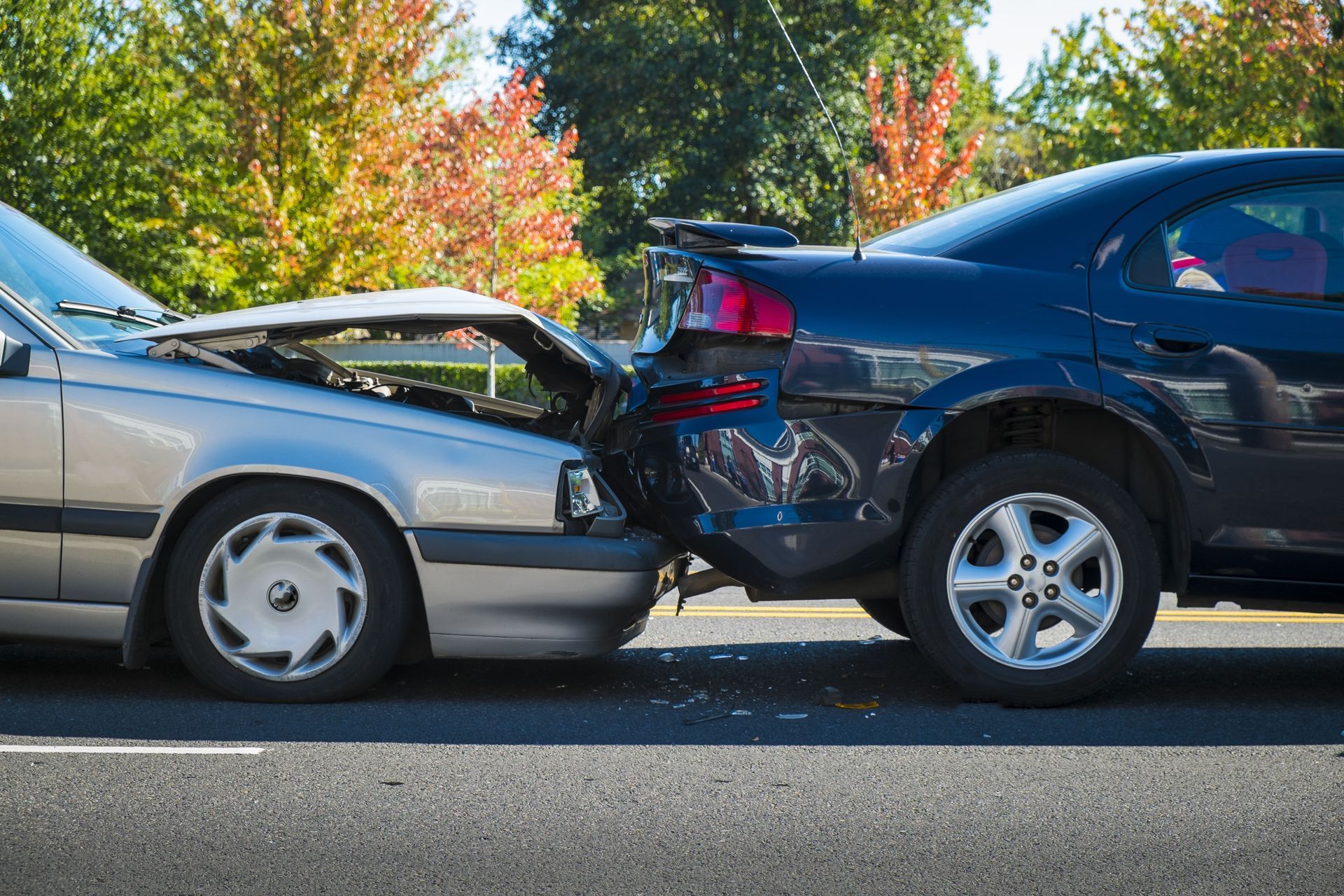
Understanding the process and details involved in auto collision repair is crucial for car owners. Asking the right questions before approving work can save time, money, and ensure quality service. This article provides an essential guide to the key questions you should discuss with your auto collision repair shop. According to Fortune Business Insights, the AAA reported that driver distraction and inattention contribute 8% to 12% of tow-away crashes. Whether you're a seasoned vehicle owner or someone new to dealing with auto repairs, being informed can greatly affect the outcomes of your repairs and improve your overall experience.
1. What is the estimated cost of repair?
1.1. Breakdown of costs
One of the first inquiries you should make revolves around the estimated cost of the repair. Understanding a thorough breakdown of costs, such as parts, labor, and additional fees, can provide you a clearer picture of what to expect. Transparency in these areas can also help you foresee any expenses that may not initially be apparent. A clear discussion about these costs is crucial to avoid financial surprises down the line, especially when juggling other necessary expenses.
Professional repair shops should offer an itemized estimate, detailing every aspect of the work required. This breakdown not only illustrates the value of different aspects of the service but also ensures that car owners are not overcharged. Opt for auto collision repair shops that are willing to explain and justify their pricing thoroughly. Trustworthy establishments often provide a comprehensive explanation of these costs, emphasizing their commitment to quality and honesty.
1.2. Transparency and itemized estimates
Transparency in a repair shop's process is fundamental to building trust with its clients. An itemized estimate provides a clearer snapshot of where funds are being allocated, which is essential for decision-making. For car owners, this level of transparency can offer peace of mind knowing they are being charged fairly. It's essential to select a reputable auto collision repair shop that values this openness and ensures clear communication throughout the repair process.
A detailed estimate serves not only as a financial tool but also a guide to understanding the complexities of repair work. It can demonstrate the expertise involved in tasks that may otherwise be overlooked by those unfamiliar with car repairs. Comprehending the extent of work performed can also draw attention to the specialized skills and technology often utilized in the process. Ultimately, this transparency can elevate the relationship between the customer and the repair shop by fostering respect and appreciation for expert service.
2. What is the expected duration of the repair?
2.1. Factors affecting repair time
When facing auto collision repair, one of the primary concerns is the time it will take to reclaim your vehicle. Repair durations can vary widely depending on the extent of the damage, parts availability, and other logistical factors. Understanding these components allows for a realistic expectation, aligning planned timelines with family and professional obligations. Professional repair shops aim to offer a balanced blend of speed and quality in their services.
The availability of replacement parts is a significant factor influencing repair timelines, where quicker access can notably shorten repair times. The use of OEM (Original Equipment Manufacturer) parts versus aftermarket parts also plays into this dynamic, as the sourcing of particular parts may impact timelines. Additionally, a shop’s current workload and the expertise of its staff can further determine how quickly work can be completed. Understanding these factors helps car owners gauge the complexity of repairs and set their expectations accordingly.
2.2. Communication during delays
Delays can be an unavoidable aspect of auto repair, often caused by factors beyond the control of the repair shop. Having a clear understanding of the communication protocols in place can greatly alleviate frustrations if progress is slower than anticipated. Repair shops that maintain ongoing and transparent communication strengthen customer confidence and satisfaction. Consistent updates can provide reassurance, enabling customers to adjust their plans with minimal disruption.
Effective communication during delays goes hand-in-hand with managing customer expectations. By establishing an understanding that delays may occur, shops can preemptively address concerns before they become larger issues. Car owners should inquire about how delays are communicated and what procedures are in place for extended timelines. Repair shops that value their clients' time will prioritize keeping them informed, fostering a relationship built on respect and trust.
3. Are the parts used for the repair new or refurbished?
3.1. Difference between OEM and aftermarket parts
When addressing auto collision repair, it’s essential to discuss the types of parts that will be used in the repair process. There’s a significant difference between Original Equipment Manufacturer (OEM) parts and aftermarket parts. OEM parts are made by the vehicle's manufacturer and are designed to align perfectly with the original specifications. In contrast, aftermarket parts are produced by third-party companies, offering a potentially less expensive but varied quality alternative.
Choosing between OEM and aftermarket parts depends significantly on budget considerations and preferences for quality and longevity. Some car owners prefer OEM parts for their dependability and consistent performance, knowing they maintain the vehicle's original standards. Meanwhile, others may opt for aftermarket parts, considering their lower cost and broader availability. It's important to discuss these options with your repair shop to align your repair strategy with your budget and quality expectations.
3.2. Importance of part quality
The quality of parts used in repairs is a pivotal factor in determining the durability and performance post-repair. High-quality parts often contribute to not only an immediate fix but also maintaining the vehicle’s reliability over time. Inferior parts can lead to recurring issues and potentially increased repair costs in the future. Reputable auto collision repair shops stress the importance of quality, often recommending parts that they trust and have extensive experience installing.
Opting for quality parts also ensures that a repair restores the vehicle to roadworthy condition, aligning with safety standards and regulations. For those who see their vehicle as an investment, prioritizing top-grade parts can preserve the car's value. A robust conversation about the implications of different part qualities can set the stage for informed decision-making. By placing importance on part quality, car owners can feel confident in their choice, ensuring longevity and overall safety.
Repair shops that prioritize high-quality parts demonstrate a dedication to excellence and customer safety. They often provide comprehensive explanations as to why certain parts are recommended and how they can be a cost-effective choice long-term. Emphasizing quality over cost in components serves as a testament to a repair shop’s commitment to excellence. A strong focus on quality parts will frequently extend beyond immediate repairs, delivering enhanced performance and reliability over an extended period.
Asking the right questions enables you to make informed decisions about your auto collision repair needs. This article has illuminated key areas to focus on to ensure transparency, quality, and value in the repair process. By staying informed, you can navigate auto repairs with confidence and peace of mind. Understanding every facet of the repair process—from costs and timelines to part quality and sourcing—equips you with the tools necessary to advocate effectively for yourself and your vehicle.
The ability to build a strong rapport with your repair shop can significantly enhance the overall repair experience. A partnership founded on trust and clear communication ensures that your car is restored with skill and integrity. As both you and your repair professional share the goal of prompt and precise service, you can achieve the peace of mind you deserve after an unexpected collision. Empowered by these insights, secure the service that reflects your standards and enhances your vehicle’s longevity.
In this landscape where auto repair requirements can be unpredictable, comprehensive understanding and proactive engagement are your best allies. By delving into each section outlined and asking pertinent questions, your control over the repair process strengthens. This article serves as a guide to making those steps confidently and assuredly. Through informed decision-making and collaboration, you can successfully navigate and triumph over the challenges presented by auto collision repairs. Reach out to Certified Collision & Glass today to see how we can help you!