October 7, 2026
In the modern automotive industry, windshield repairs and replacement is not just about glass and adhesives. It involves a critical procedure known as Advanced Driver Assistance Systems (ADAS) recalibration. Ensuring your vehicle’s ADAS is properly recalibrated after a windshield replacement is essential for maintaining its safety and performance. This article delves into the importance of ADAS in contemporary vehicles and why their recalibration post-windshield replacement is crucial for your safety.
1. What is ADAS and why does it matter?
1.1. Understanding ADAS Systems
Advanced Driver Assistance Systems, or ADAS, are technological features designed to enhance vehicle safety and driver convenience. These systems include a range of functionalities such as lane-keeping assist, adaptive cruise control, and parking assistance. ADAS uses various sensors and cameras, which are often integrated with or mounted near the windshield of the vehicle. Understanding these systems is critical as they play an integral role in avoiding accidents and enhancing the driving experience.
With continuous technological advancements, ADAS have become increasingly sophisticated, providing drivers with invaluable real-time data and alerts. Market research indicates that laminated glass, a key component in windshield manufacturing, supports the efficacy of ADAS, with a remarkable 74.8% revenue share in windshield replacement services in 2025 according to Dataintelo.com. This highlights the interdependency between physical automotive parts and digital systems like ADAS. Integrating these technologies ensures the systems function correctly and enhances overall vehicle operation.
As vehicles become more technologically advanced, the need to understand the importance of these systems grows. Drivers must be aware of how ADAS technologies are shaping the driving landscape and influencing vehicle design. The malfunction of such systems can not only impair the vehicle’s operation but also pose safety risks. Hence, maintaining ADAS through proper recalibration is a responsibility that should not be underestimated.
1.2. Components of ADAS in Vehicles
ADAS comprise several key components, primarily including sensors, cameras, and control modules that analyze data to make split-second decisions. These components are strategically placed around the vehicle, particularly on the windshield, due to visibility and efficiency reasons. Cameras and sensors embedded in the windshield aid in obstacle detection and lane monitoring, ensuring drivers are constantly aware of their surroundings. These instruments are integral to the functioning of the ADAS, making their correct alignment crucial.
Sensors like radar and LIDAR operate in conjunction with the cameras to map the vehicle’s external environment, detecting potential risks promptly. Positioned with precision during the vehicle's manufacturing process, their efficacy can be compromised if they are misaligned due to windshield repairs. This can potentially lead to inaccurate readings and impair critical vehicle functions. Correcting such misalignments involves precise recalibration to ensure that these components perform optimally.
The incorporation of these advanced technologies represents a significant leap towards achieving fully autonomous vehicles. It is imperative that car owners are informed about the operational intricacies of ADAS components. As technology advances, understanding the interplay between physical and digital automotive components becomes increasingly important. Staying informed ensures that vehicle systems remain functional, safe, and efficient.
2. How is ADAS affected by windshield replacement?
2.1. Attachment of Sensors and Cameras
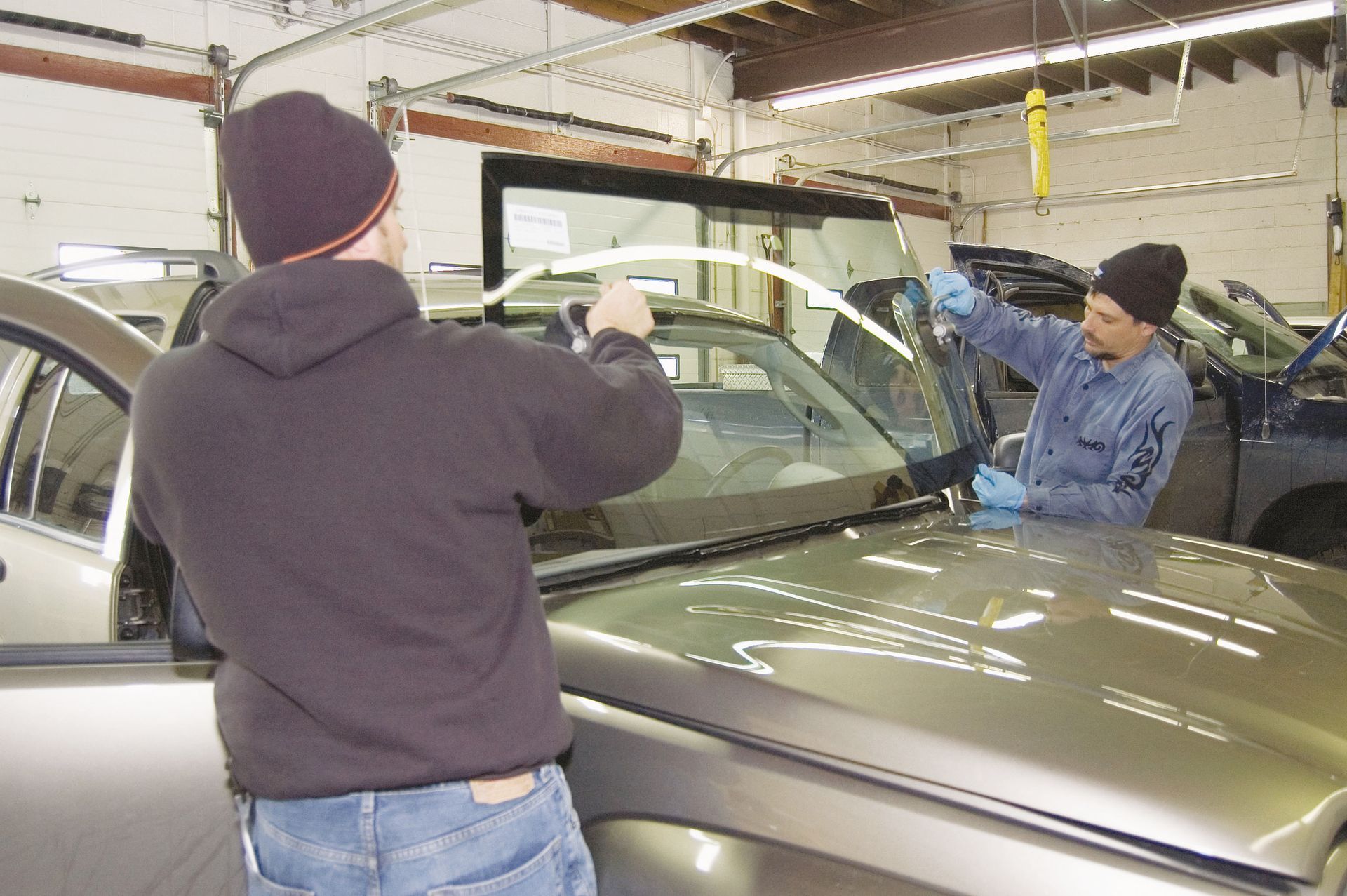
The attachment and alignment of sensors and cameras are intricacies often overlooked during windshield replacement. These components are typically mounted on or near the windshield to optimize their function and ensure unobstructed visibility. When the windshield is replaced, the positioning of these sensors and cameras can be disturbed, potentially hindering their ability to capture accurate data. Proper reinstallation and calibration are thus essential to restore their arrangement and ensure continuous functionality.
The precision of these systems relies heavily on their optimal placement and accurate alignment. During windshield repairs or replacements, even a slight deviation from their intended position can lead to significant inaccuracies. The role of technicians extends beyond replacing glass; they must realign and recalibrate these systems to their original functioning state. This process sustains the integrity of the vehicle’s safety features, allowing systems to perform as designed.
Notably, these components form the backbone of the vehicle’s ADAS by providing critical data and ensuring the trusty execution of safety tasks. Their alignment affects everything from auto-braking systems to adaptive cruise control, underscoring their importance. Professionals equipped with specialized tools must carry out recalibrations to ensure precision. This restores not only the function of the ADAS components but also preserves the vehicle’s safety and performance.
2.2. Changes in Sensor Alignment
Sensor alignment is heavily emphasized because even marginal deviations can disrupt the functioning of ADAS. During windshield repairs or replacements, professional technicians take special care to address any potential misalignments. These minor shifts can result in inaccurate sensors, jeopardizing data collection, which is crucial for the accurate operation of ADAS technologies. The slightest oversight in alignment during installation can have wide-reaching implications on vehicle safety systems.
Recalibrating sensors ensures each component interacts seamlessly with the vehicle’s ADAS modules, maintaining the integrity of the entire system. Misaligned sensors could lead to incorrect warnings, false alerts, or a decrease in system performance. For example, if lane departure cameras are improperly aligned, they may fail to recognize lane boundaries, which could result in lane drift without warning. Such issues underscore the importance of precise sensor alignment in contributing to the overall safety of the vehicle.
3. What are the steps involved in recalibrating ADAS?
3.1. Initial Inspection and Report
The first step in ADAS recalibration involves a thorough initial inspection of the vehicle's systems. Technicians conduct a detailed assessment to understand the current alignment and potential impact areas. This inspection helps identify any existing issues and gauges what recalibration is necessary. The resulting report forms the basis of the corrective measures, outlining any deviations from the manufacturer’s predetermined specifications.
After an initial visual inspection, technical tests are conducted to assess the functioning and accuracy of the affected systems. Such assessments provide insights into different ADAS components and monitor their status before any adjustments are made. Detecting these inefficiencies early on is vital in ensuring all issues are comprehensively addressed. A structured inspection leads to a clear action plan, empowering technicians to make informed recalibration decisions to restore the function and accuracy of the vehicle.
3.2. Dynamic and Static Calibration Methods
The recalibration of ADAS typically involves two primary methods: dynamic and static calibration. Dynamic calibration requires the vehicle to be driven at specified speeds in certain conditions, allowing on-road adjustments to the system. This process involves real-world conditions to ensure sensors and cameras capture accurate data necessary for system correction. Ensuring these systems meet industry standards maintains their efficacy in everyday driving situations, crucial for safety and reliability.
Static calibration, in contrast, takes place in a controlled environment where the vehicle remains stationary. This method utilizes specialized equipment to ensure devices like cameras and radar are perfectly aligned and calibrated. Technicians deploy a variety of tools and calibration targets to adjust the systems without needing to operate the vehicle in a real-world environment. By calibrating under controlled conditions, more precise adjustments become possible, enhancing the reliability of the results achieved.
Windshield repairs and replacement in modern vehicles involves much more than just replacing a piece of glass. The integration of Advanced Driver Assistance Systems (ADAS) has made recalibration a vital component in maintaining both vehicle safety and performance. Understanding the critical role of ADAS recalibration bolsters the importance of taking this necessary step post windshield repairs. Recognizing the intricacies involved ensures optimal operation, promoting safety and fostering technological reliability.
Invested care in recalibrating ADAS fortifies the entire safety suite of a vehicle, nurturing a robust automotive environment for drivers and passengers alike. Ensuring these systems function accurately helps reduce accident potential while complying with evolving regulatory demands. Expertly performed recalibration reinforces the preservation of vehicle features, promising sustained vehicular integrity over the long term. Windshield repairs form a pivotal element in the comprehensive maintenance practices that uphold modern automotive safety.
Ultimately, the need to appreciate and accommodate the crucial technology embedded in our vehicles cannot be overstated. As automotive industries embrace advanced technologies, understanding and implementing appropriate maintenance, including ADAS recalibration, is crucial for holistic vehicle safety. Cultivating an informed approach ensures these advanced systems continue to shelter drivers and occupants, supporting their safety on every journey. Thus, education and action harmoniously echo the compelling importance of ADAS recalibration, essential to safeguarding each remarkable automotive innovation. Reach out to Certified Collision & Glass today to see how we can help you!