March 9, 2026
The relationship between auto body shops and car insurance companies is a crucial element in the vehicle repair process after an accident. For vehicle owners, understanding how these two entities interact can greatly affect the speed of claim processing, the quality of repairs, and potential out-of-pocket costs. When this relationship functions efficiently, repairs are completed on time, insurance claims are settled smoothly, and car owners can regain confidence in their vehicle’s condition. With approximately 1.7 million rear-end collisions occurring annually in the U.S., according to Amica Insurance, knowing what steps to take, which repair options to consider, and how insurance companies coordinate with auto body shops can make a significant difference in the post-accident experience.
The repair process can feel overwhelming, particularly when navigating insurance claims for the first time. Filing paperwork, scheduling damage assessments, understanding policy limits, and choosing a repair facility are all steps that require attention to detail. Fortunately, auto body shops and insurance companies have established processes to guide vehicle owners through these steps. By understanding these interactions, policyholders can avoid unnecessary delays, ensure repairs meet high-quality standards, and maintain financial control over the outcome.
Understanding the Insurance Claim Process
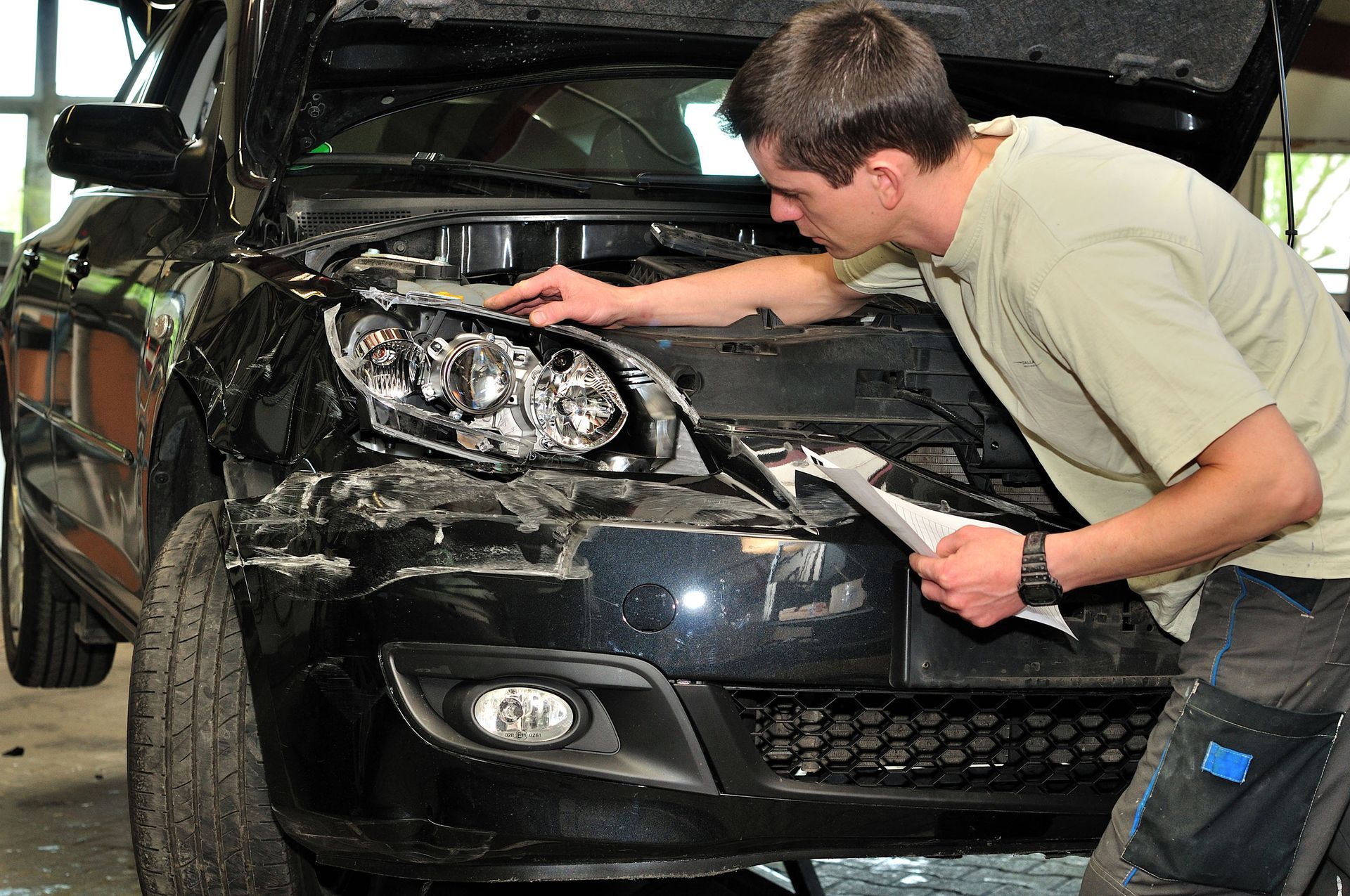
After an accident, the first and most important step is filing a claim with your insurance company. This official notification triggers the assessment and repair process. Providing complete and accurate information—including details about the other party, witness contacts, and photographs of the accident scene—can help expedite the claims process. Once a claim is filed, an insurance adjuster is assigned to inspect your vehicle, evaluate the damages, and determine what coverage is available under your policy. At this stage, insurance companies often recommend several preferred auto body shops, which are repair facilities that meet their quality and service standards.
Promptly filing your claim and providing detailed documentation helps minimize delays in scheduling inspections and repairs. Insurance adjusters rely on accurate information to make determinations regarding repair needs, replacement parts, and estimated costs. Vehicle owners who are proactive in supplying this information set the stage for a smoother overall repair process, reducing the chances of misunderstandings or coverage disputes later. Establishing a strong initial foundation with your insurer is the first step toward restoring your vehicle efficiently.
Learning The Role of Insurance Adjusters
Insurance adjusters are the critical link between the policyholder, the insurance company, and the auto body shop. Their job is to evaluate damages, determine repair needs, assess liability, and verify that all aspects of the claim align with policy terms. Adjusters often negotiate directly with auto body shops to confirm repair estimates, review labor costs, and ensure that recommended work meets both industry and insurer standards. Understanding the adjuster’s responsibilities can help vehicle owners approach their repair journey with clarity, knowing what decisions are within their control and where professional guidance applies.
Adjusters also ensure that repair timelines are realistic and cost estimates are accurate. They serve as mediators to resolve potential disagreements about repair methods or coverage limits, keeping the process on track. By maintaining open communication with the adjuster, vehicle owners can clarify any discrepancies, verify the scope of work, and ensure that repairs proceed in line with insurance expectations. Effective collaboration at this stage helps avoid delays and ensures that the repair process begins on a solid footing.
Review Coverage and Financial Responsibilities
Understanding your insurance coverage is essential for navigating repairs and avoiding unexpected expenses. Insurance policies typically include liability, collision, and comprehensive coverage, each affecting what repairs will be reimbursed and what may fall to the vehicle owner. Insurance representatives review adjuster assessments in conjunction with your policy terms to determine which damages are covered, the limits of coverage, and any applicable deductibles. Being informed about these details allows policyholders to anticipate potential costs and make decisions regarding repair options with confidence.
Coverage determination also affects decisions about whether additional protections, such as policy add-ons or upgrades, may be beneficial in the future. Staying familiar with policy terms empowers car owners to address gaps in coverage, ask questions about repair entitlements, and avoid disputes. Understanding financial responsibilities at this stage prevents surprises after the work is completed and ensures that vehicle owners are aware of how their policy will be applied during repairs.
Choose a Preferred Repair Shop
Preferred auto body shops are facilities vetted and approved by insurance companies to meet high standards of service, quality, and efficiency. These shops often have pre-negotiated labor rates, established workflows with insurers, and certifications that guarantee repair quality. Utilizing a preferred repair shop can shorten repair timelines, minimize administrative delays, and often provide warranties on completed work. Insurance companies recommend these facilities because they have proven track records in meeting both industry standards and insurer expectations.
Beyond efficiency, preferred shops help ensure that repairs adhere to manufacturer guidelines, preserving vehicle safety and long-term performance. They often have direct communication channels with insurance adjusters, facilitating rapid approvals for additional work if hidden damages are discovered. While some policyholders may feel limited in choice, the advantages—including streamlined communication, cost savings, and guaranteed repair quality—make preferred shops a strong option for most vehicle owners.
Negotiate Repair Costs Effectively
Repair cost negotiation between auto body shops and insurers is a key component of ensuring fair and accurate repairs. Preferred shops typically operate under pre-established pricing frameworks, which create consistency and transparency for both parties. Negotiations cover labor rates, parts procurement, and any additional services needed to complete the repairs. These discussions also allow for adjustments if unexpected damages are discovered, ensuring repairs remain comprehensive and cost-effective. Clear communication during negotiation helps policyholders understand potential costs and builds confidence that repairs will be completed according to insurance and quality standards.
Successful negotiation aligns the interests of the insurer, the repair facility, and the vehicle owner. By setting clear expectations regarding costs and repair scope, auto body shops can maintain service quality while insurers can manage claims within policy limits. This collaboration ultimately protects the policyholder from surprise expenses while ensuring that repair work is thorough, reliable, and completed in a timely manner.
Maintain Clear Communication
The smooth completion of vehicle repairs depends heavily on effective communication among auto body shops, insurance companies, and vehicle owners. Repair facilities must keep insurers informed about the progress of repairs, any additional work needed, and timelines for completion. Insurance adjusters often liaise directly with auto body shops to approve extra repairs, coordinate parts, and verify costs. Vehicle owners also contribute by providing accurate documentation, photos, and updates regarding any concerns about the repair process.
Open communication ensures transparency, accountability, and trust across all parties. It reduces the risk of misunderstandings, prevents delays, and helps maintain realistic expectations. When insurers, repair shops, and policyholders collaborate effectively, the repair process is more efficient, reliable, and stress-free. A proactive approach to communication ensures that repairs are completed to both insurance and industry standards, giving car owners peace of mind throughout the process.
Understanding how auto body shops work with insurance companies is essential for a smooth and successful vehicle repair experience. By familiarizing themselves with the claims process, the role of adjusters, coverage details, the advantages of preferred shops, cost negotiations, and effective communication strategies, vehicle owners can take control of their post-accident repair journey. Being informed and proactive helps minimize delays, maintain repair quality, and avoid unexpected costs. For expert repairs and a trusted partner throughout your insurance claims experience, rely on Certified Collision & Glass for reliable, professional, and efficient service from start to finish.