December 6, 2025
The aftermath of a car accident can be overwhelming, and understanding what to expect during the collision repair process can bring some peace of mind. This guide provides a step-by-step breakdown of the collision repair process, so drivers know exactly what to anticipate at each stage. Knowing the stages of repair helps manage expectations and provides clarity during a stressful period. The goal of this guide is to educate drivers about the common practices and procedures involved in restoring a vehicle to its pre-accident condition. By familiarizing yourself with this process, you'll be better equipped to make informed decisions and navigate repairs efficiently.
Initial Assessment and Estimation
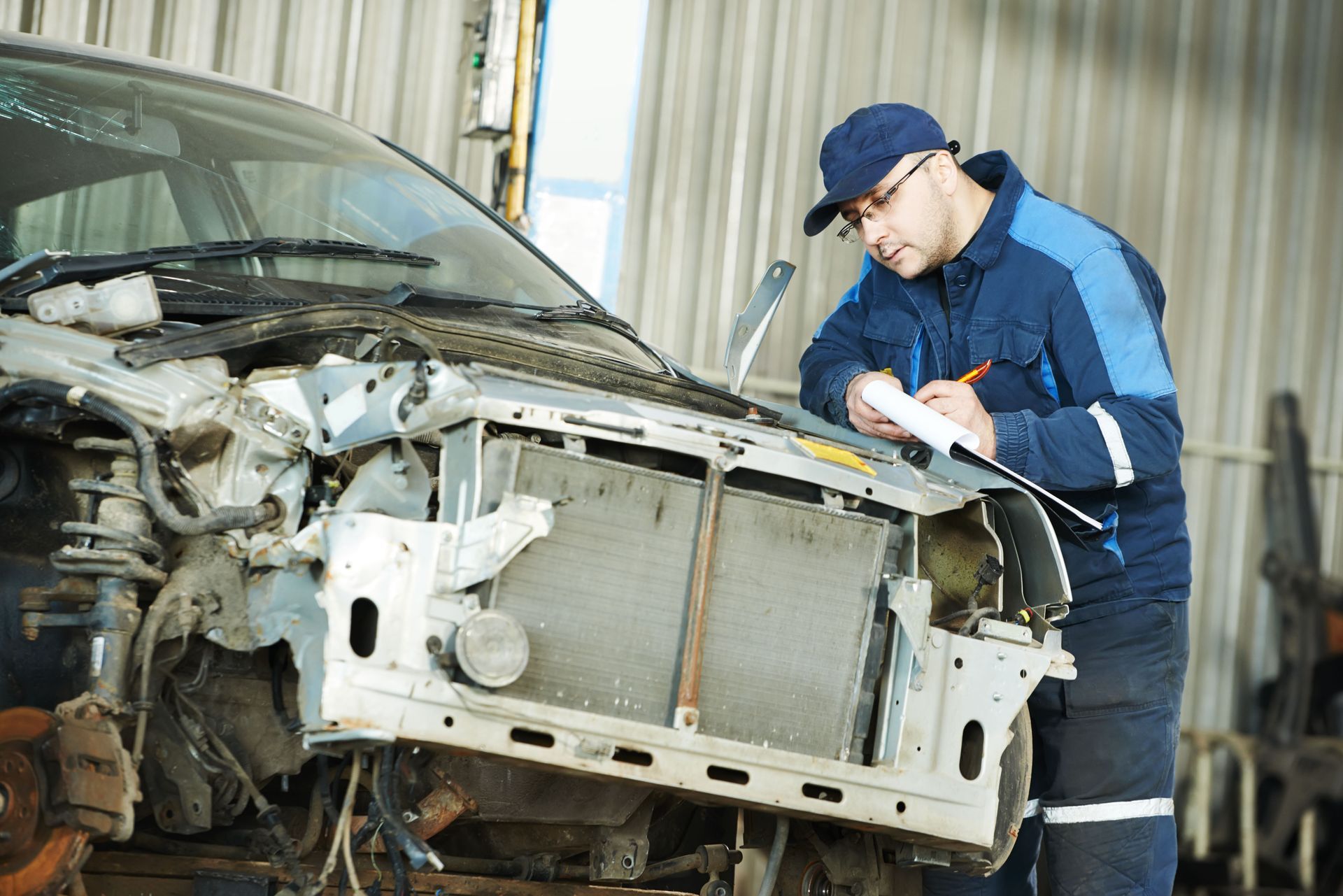
When an accident occurs, notifying your insurance company and scheduling an appointment with a repair shop is the first step. The repair shop's availability might vary, so booking promptly is essential to avoid delays. Upon arrival, a certified technician performs a thorough inspection of your vehicle, documenting visible damage and taking photos for insurance purposes. This evaluation may reveal additional issues not immediately apparent after the accident. Using these results, a comprehensive repair estimate is created, outlining the costs of parts, labor, and services. Coordination with the insurance provider ensures that the repair plan aligns with policy coverage. Once both the insurance company and vehicle owner approve the estimate, the collision repair process can officially begin.
After the initial estimate is approved, the repair shop will begin preparing for the actual work. This often involves ordering parts, gathering necessary tools, and assigning technicians with specialized skills to handle different aspects of the repair. Clear communication between the repair shop and the vehicle owner is crucial during this stage, as any delays in parts delivery or unexpected findings can affect the overall timeline. Many shops also provide regular updates, ensuring the vehicle owner remains informed about the progress and any adjustments needed to the repair plan.
In some cases, additional inspections may be required before work begins. For example, certain safety or mechanical systems might need further evaluation to ensure proper functionality. This step is particularly important for vehicles with advanced driver-assistance systems or complex structural damage. By addressing these considerations early, the repair shop can prevent future complications and ensure that the collision repair restores both safety and performance to the vehicle. This preparation phase sets the foundation for an efficient and thorough repair process.
Disassembly and Damage Analysis
After approval, technicians disassemble damaged areas to conduct a detailed inspection. Hidden damage, particularly to structural and mechanical components, can often be more extensive than initially observed. Addressing these issues is critical for restoring the vehicle’s safety and performance. Once all damage is assessed, necessary parts are inventoried and ordered. According to Automotiveresearch.com, 20.6% of collision repair shop respondents cited difficulty in finding affordable parts as a significant concern, which can impact both cost and completion time. If additional damage is discovered, supplementary insurance approval may be required. With all approvals and parts in place, the final repair plan is established, providing a roadmap for technicians to follow efficiently.
Once the repair plan is finalized, technicians begin structural repairs to restore the vehicle’s frame and chassis to manufacturer specifications. Precision is crucial at this stage, as even minor misalignments can affect handling, safety, and overall vehicle integrity. Specialized equipment, such as frame straightening machines, ensures that the vehicle’s structure is properly realigned. By addressing structural issues first, the repair shop sets a solid foundation for all subsequent mechanical and body repairs, ensuring the vehicle meets both safety standards and performance expectations.
Following structural restoration, attention shifts to mechanical repairs. This involves inspecting and repairing critical systems, including the engine, transmission, brakes, and suspension components. Advanced diagnostic tools are often used to identify underlying problems that may not be immediately visible. Properly executed mechanical repairs guarantee that the vehicle operates safely and reliably after the collision repair is complete. By combining meticulous structural and mechanical work, technicians ensure that the vehicle is fully restored to its pre-accident condition.
Structural and Mechanical Repairs
Structural repairs restore the vehicle’s frame to manufacturer specifications, ensuring safety and proper handling. Using specialized equipment, technicians realign the frame and address any structural compromises. Mechanical repairs then focus on the engine, transmission, brakes, and other essential systems. Advanced diagnostic tools are often employed to identify and resolve complex issues, restoring the vehicle’s drivability. Careful attention during structural and mechanical repairs is essential for driver safety and long-term performance. These steps form the foundation for the subsequent bodywork, painting, and refinishing stages of collision repair.
Body Repairs and Parts Replacement
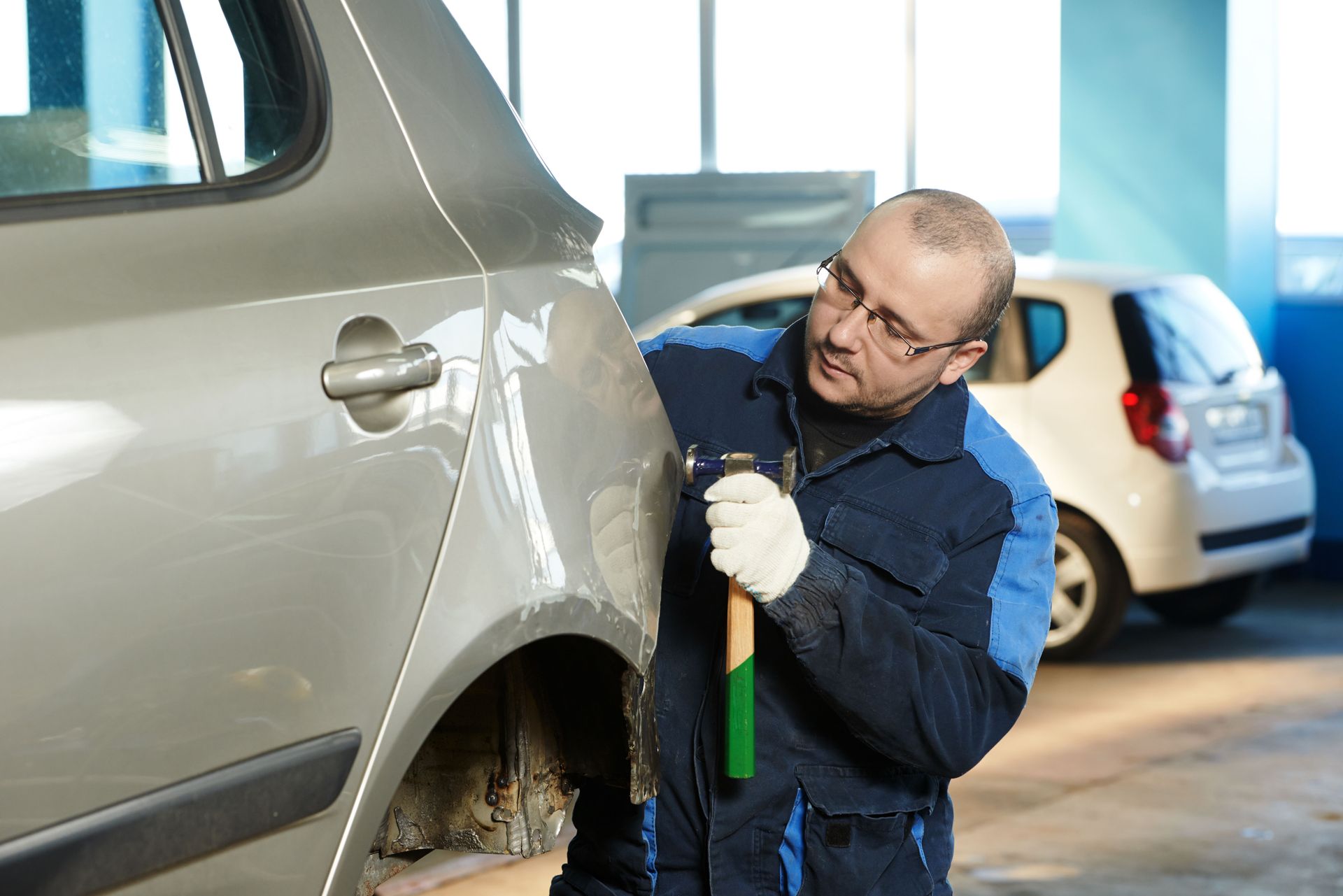
Body repairs address dents, scratches, and panel replacements using specialized tools and techniques to restore the vehicle’s exterior. Welding, metalwork, and panel alignment are conducted to ensure structural and aesthetic integrity. Damaged or worn-out parts are replaced with high-quality, genuine components, which are crucial for safety, durability, and compatibility with manufacturer standards. Timely replacement of all necessary parts prevents delays and ensures that the vehicle functions as intended. Throughout this process, quality control checks are conducted to confirm that repairs meet rigorous safety and craftsmanship standards, giving vehicle owners confidence in the results.
Painting and Refinishing
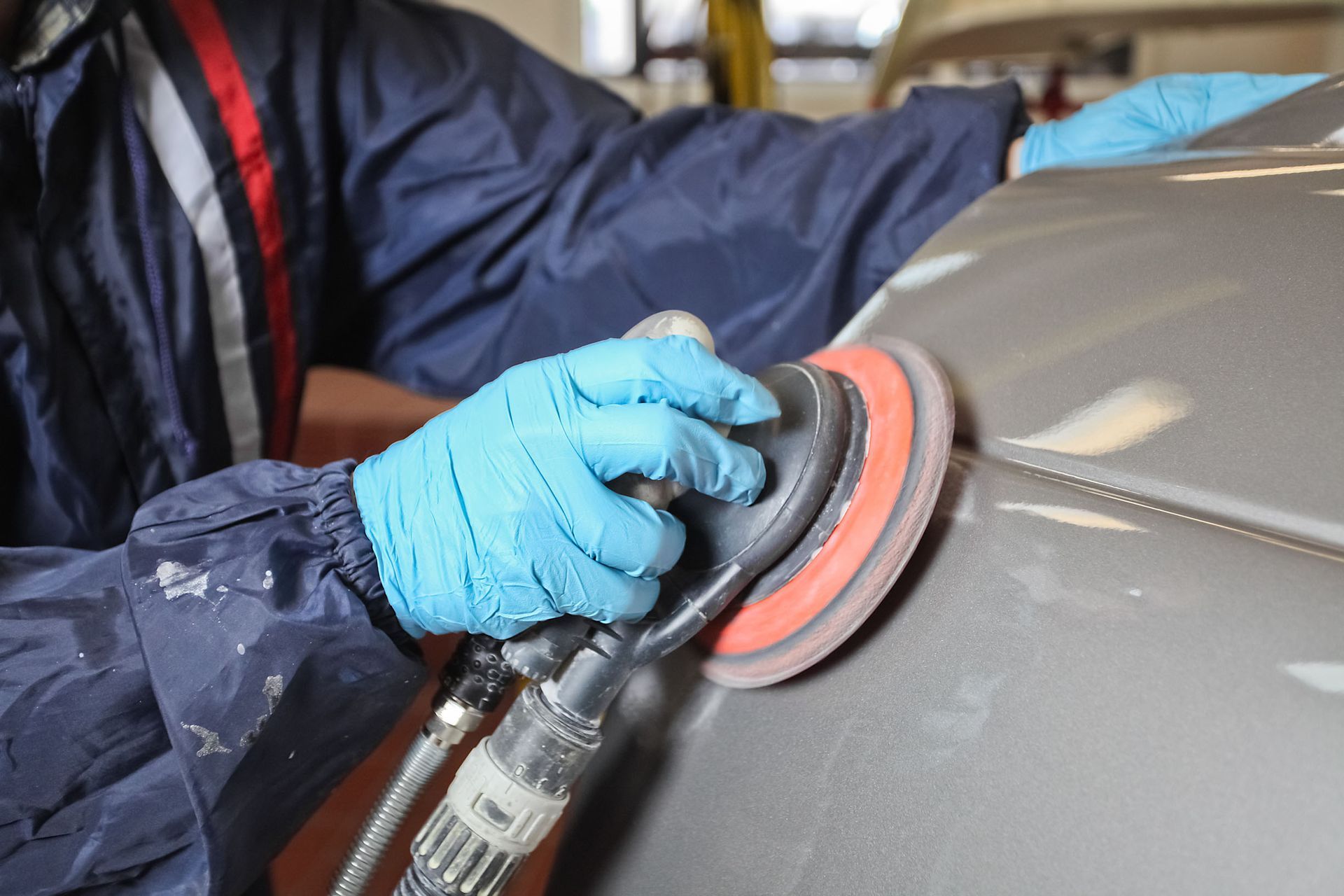
Painting and refinishing begin with meticulous surface preparation, including cleaning, sanding, and priming to achieve a flawless finish. Accurate color matching ensures repaired areas blend seamlessly with the rest of the vehicle, often utilizing computerized technology to identify the exact paint formula. Paint is applied in multiple layers to replicate the original texture and luster, followed by a protective clear coat to guard against UV rays, pollutants, and wear. Finishing touches, including polishing and buffing, enhance the vehicle’s shine and overall aesthetic. The final paint inspection confirms uniformity, color consistency, and adherence to quality standards, ensuring a visually cohesive and factory-quality appearance.
Reassembly and Detailing
Once painting is complete, technicians carefully reinstall all previously removed parts, verifying proper fit and alignment. Electrical systems, including lighting, sensors, and infotainment, are tested to ensure full functionality. Interior and exterior detailing restores the vehicle to a pristine condition, cleaning all surfaces and polishing hard-to-reach areas. Road tests and safety checks confirm optimal performance, including steering, brakes, and suspension. Final quality assurance reviews address any remaining issues and confirm that the vehicle meets customer expectations and industry standards. Thorough reassembly and detailing ensure the vehicle is safe, operational, and visually appealing.
Delivery and Post-Repair Support
During the final handover, the repaired vehicle is presented to the owner with a detailed walkthrough of completed repairs. Discussions about repair warranties provide customers with assurance regarding coverage and quality. Technicians may also offer maintenance tips to help preserve the vehicle’s condition and performance. Open communication channels allow customers to address concerns, fostering satisfaction and trust. Follow-up services ensure ongoing support and reinforce long-term relationships between repair shops and clients. Comprehensive post-repair care contributes to a seamless experience and strengthens confidence in the collision repair process.
Understanding the collision repair process can empower vehicle owners and alleviate stress after an accident. From initial assessment and structural repairs to painting, reassembly, and post-repair support, each step is designed to restore your vehicle safely and efficiently. According to Automotiveresearch.com, proper coordination and attention to detail are essential for timely and high-quality collision repair. Choosing a trusted repair shop ensures your vehicle is returned in excellent condition. Certified Collision & Glass provides expert collision repair services, guiding you through each stage while prioritizing safety, quality, and customer satisfaction. Contact Certified Collision & Glass today to restore your vehicle and regain peace of mind.